
Returning to the Source: The Living Wisdom of Oaxaca
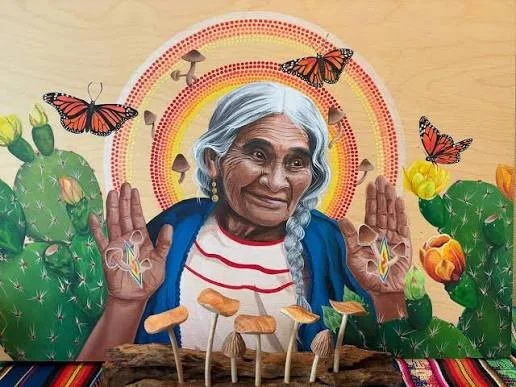
There are places in the world that seem to hold a different kind of intelligence. The moment you arrive, something begins to soften. The pace slows, your senses awaken, and you find yourself listening in a way that modern life rarely invites. Oaxaca is one of those sacred places.
It is not simply beautiful; it is alive and really like traveling back in time into the realm of the magic and mythic. For centuries, these mountains have held the prayers, songs, ceremonies, and wisdom of the Mazatec people, whose relationship with the mushroom has never been about seeking an extraordinary high. It has always been about entering into a deeper relationship with God, nature, community, and the unseen world that surrounds us.
Long before mushrooms became part of today’s psychedelic renaissance, they were regarded here as sacred medicine, and in Oaxaca, they still are. They were never approached casually or viewed as something to consume for entertainment. They were received with humility and reverence. Every ceremony was held within a larger relationship to the land, the ancestors, and the Divine intelligence that runs through all of creation. That context matters for, in many ways, it is just as much a part of the medicine as the mushroom itself.
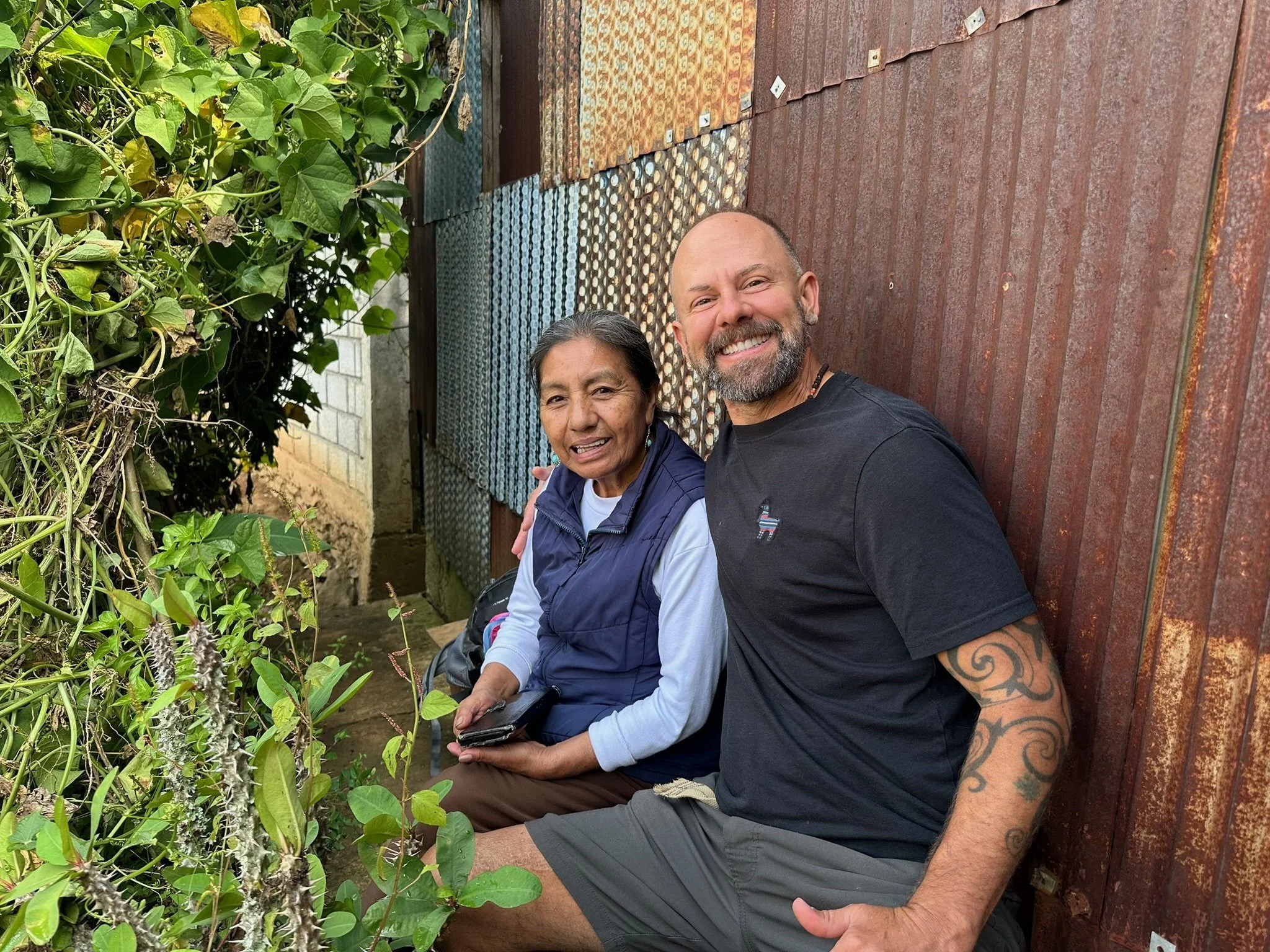
One of the many reasons I continue to return to Oaxaca is because there is something profoundly meaningful about going back to the source. We live in a culture that often extracts wisdom from its origins, where we take the practice while forgetting the people who carried it. Sitting in ceremony where these traditions were born reminds us that healing is not something we invent, but something we receive. We become guests in a lineage that has been lovingly stewarded for hundreds of years.
We would be remiss not to honor María Sabina, the beloved Mazatec curandera whose prayers and healing ceremonies introduced much of the Western world to these sacred traditions. Born in the Sierra Mazateca, she became known for her profound relationship with the mushrooms and her ability to commune with the Divine. Through her veladas, or sacred ceremonies, she helped countless people find healing and guidance.
Sharing this sacred tradition with the outside world came at an immense personal cost. As interest in the mushrooms grew, so too did the disruption to her community. Her home was burned, she was imprisoned, her son was murdered, and she spent her final years living in poverty. Today, her village lovingly honors her legacy, welcoming pilgrims from around the world who come not only seeking the wisdom of the mushroom, but also a deeper understanding of the Mazatec people, their traditions, and the sacred relationship they have cultivated with this land for generations.
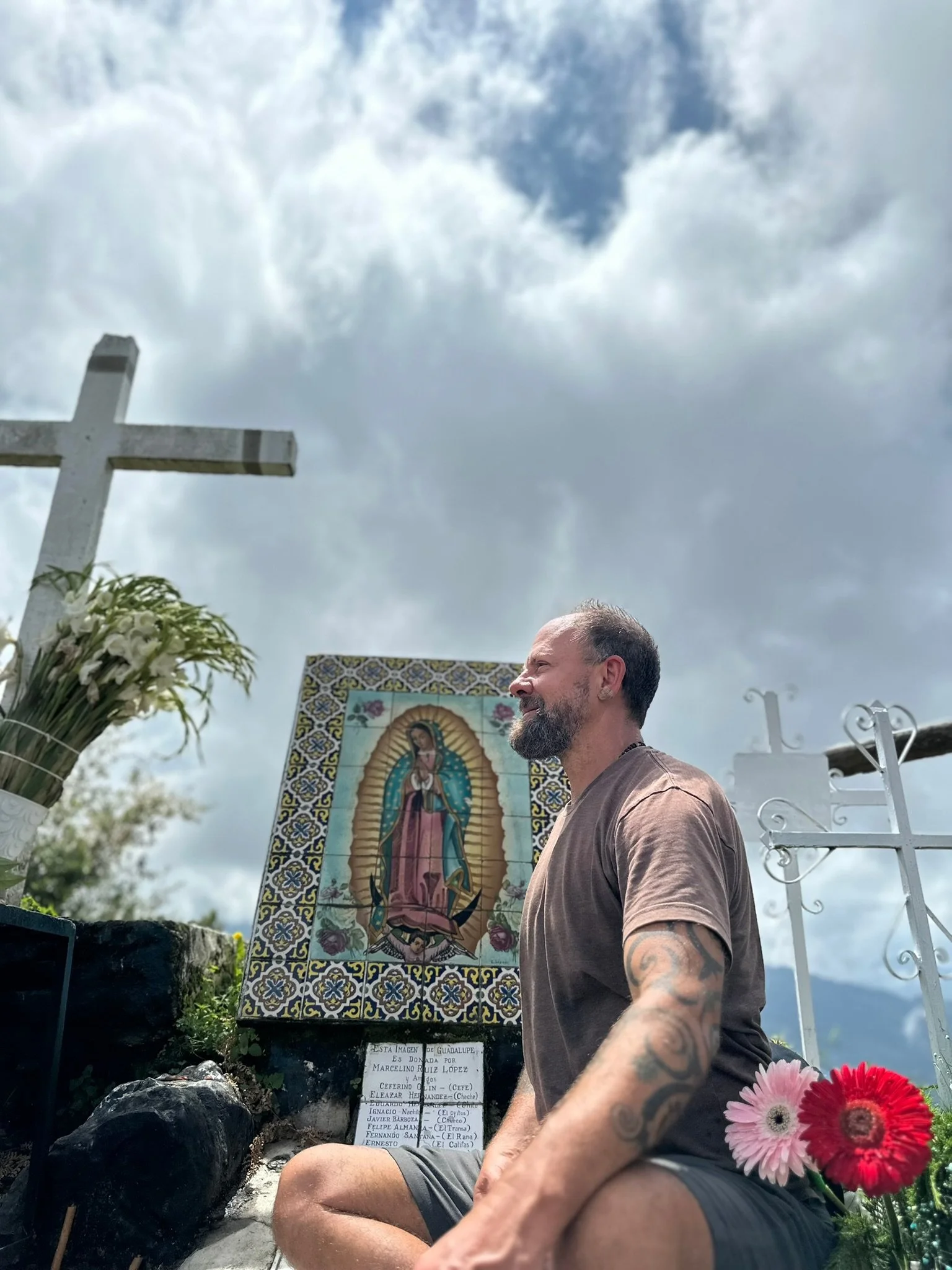
One of the most beautiful expressions of this tradition is the way the Mazatec people have woven together Indigenous spirituality and Catholic devotion. Following the arrival of Spanish missionaries, many ancestral traditions could no longer be practiced openly. Rather than allowing their wisdom to disappear, they found different ways to preserve its essence. For instance, certain sacred medicines and natural forces came to be associated with Catholic saints. The sacred mushroom became known as San Isidro. Sacred tobacco became San Pedro. Chikon Tokosho, the protector of the mountain, is often understood alongside Jesus Christ or a revered ancestor. Even the Virgin Mary echoes the nurturing presence of the Divine Feminine, protecting families, relationships, and the harvest. Looking beneath the names, the spirit of the tradition remained beautifully intact.
Perhaps nowhere is that mystery felt more deeply than through their music. The Mazatec healing songs are unlike anything I have ever experienced. Indigenous melodies weave effortlessly with Catholic hymns and prayers until they become one continuous expression of devotion. There is a purity and innocence to the music that immediately quiets the mind. At times it feels as though the mountains themselves are singing through the voices of the people. You stop listening with your ears and begin listening fully with your heart.
Most people naturally place all of their attention on the medicine, yet the altar has already begun teaching long before the first prayerful song is ever sung. Every candle, every flower, every saint, every offering gathered from the Earth has been placed there with great intention. The altar becomes a living prayer, reminding us that healing is never an individual act. We are held by the ancestors who came before us, and by the wisdom of the Earth beneath us. Perhaps unlike the Catholic church made out of stone, their real altar is the forest where the earth is held as most sacred.
The Indigenous wisdom here is extraordinary, yet even the elders will tell you that their deepest teachings come through their relationship with the land itself. The mountains have stood here long before any of us arrived. They have witnessed generations of prayer, birth, death, celebration, grief, and healing. They carry a quiet intelligence that cannot be learned through books or podcasts. Spending time here invites us to remember something our modern culture has largely forgotten. The Earth is not simply the backdrop for our lives. It is alive and is constantly teaching those who are willing to slow down enough to listen.
This way of relating to the land changes everything. We stop asking, “What can I get from this experience?” and begin asking, “What is this place trying to teach me?” The answers rarely come through the thinking mind. They emerge through stillness, through the rhythm of walking the mountain paths, listening to the birds at sunrise, and allowing ourselves to become part of something much older than our own personal story. In many ways, the mountain becomes a mirror, reflecting the places within us that are longing to be remembered.
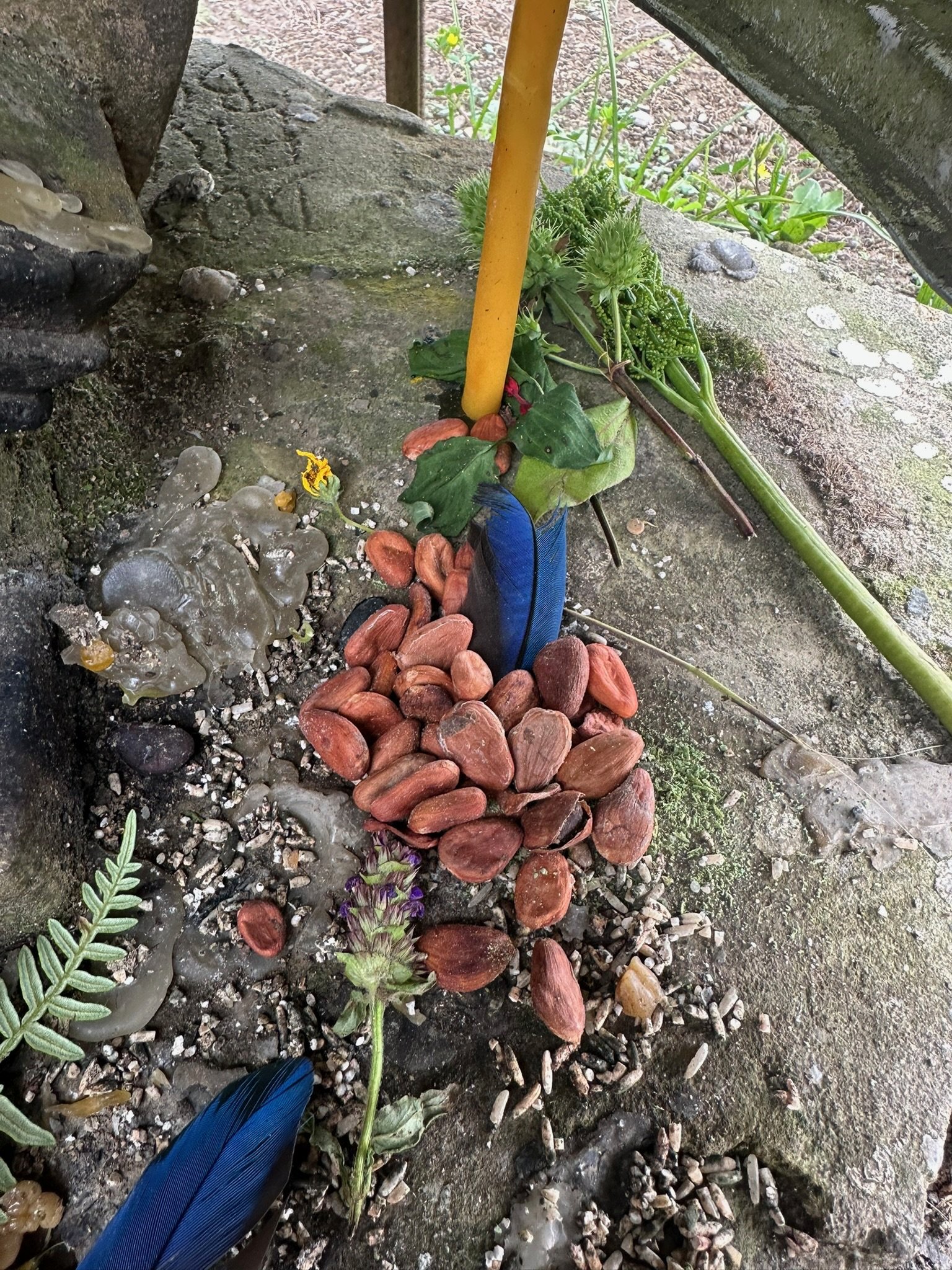
This is why I continue returning to Oaxaca. The mushroom is certainly a profound teacher, yet it has never felt like the center of the experience. The deeper medicine has always been the reverence that surrounds it. It lives in the humility of the people who have carried these traditions through generations and the mountains that quietly hold every ceremony. It lives in the songs that seem to dissolve the boundary between heaven and Earth. It also lives in the altar that reminds us we are participating in something far greater than ourselves.
I hope that when people join us in Oaxaca, they leave with much more than a meaningful ceremony. I hope they leave having remembered a different way of relating to life itself. A way rooted in deep, deep reverence for life itself.
